



In the construction industry, concrete is one of the most widely used materials. However, traditional concrete has some limitations, such as low tensile strength and poor crack resistance. This is where concrete fiber comes in. As a supplier of concrete fiber, I have witnessed firsthand the numerous benefits it offers, not only in terms of enhancing the performance of concrete but also in its positive impact on the environment.
1. Reducing the Need for Reinforcement Steel
One of the significant environmental benefits of using concrete fiber is the reduction in the use of traditional reinforcement steel. Reinforcement steel production is an energy - intensive process that generates a large amount of greenhouse gas emissions. According to a study by the World Steel Association, the steel industry accounts for approximately 7% of global carbon dioxide emissions.
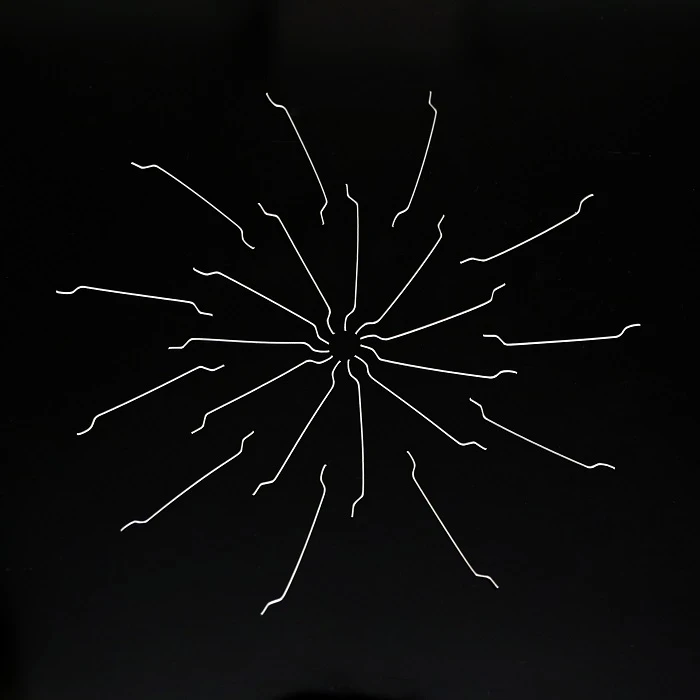
When concrete fiber, such as End Hooked Steel Fiber, is added to concrete, it can significantly improve the tensile strength and crack resistance of the concrete. This means that less reinforcement steel is required in many construction projects. For example, in a large - scale building foundation, the addition of concrete fiber can reduce the amount of steel bars needed by up to 30%. This reduction in steel consumption directly translates into lower energy consumption and fewer greenhouse gas emissions during the steel production process.

2. Extending the Service Life of Concrete Structures
Concrete structures are often subject to various forms of damage, such as cracking, spalling, and corrosion. These damages not only reduce the structural integrity of the building but also require frequent repairs and replacements, which consume a large amount of resources.
Concrete fiber can enhance the durability of concrete structures. The fibers act as a reinforcement within the concrete matrix, preventing the propagation of cracks and improving the resistance to abrasion and impact. For instance, Metal Fiber Reinforced Concrete has been shown to have better resistance to freeze - thaw cycles compared to traditional concrete. By extending the service life of concrete structures, we can reduce the need for new construction and the associated environmental impacts. Fewer new buildings mean less raw material extraction, less energy consumption in construction, and less waste generation.
3. Improving Concrete Workability and Reducing Waste
Concrete fiber can also improve the workability of concrete. When fibers are added to the concrete mix, they can help to reduce the segregation and bleeding of the concrete, making it easier to place and finish. This improved workability means that less concrete is wasted during the construction process.
In traditional concrete construction, a significant amount of concrete may be discarded due to improper placement or finishing. With the use of concrete fiber, the risk of such waste is reduced. For example, in a large - scale paving project using Steel Fiber for Floor, the improved workability of the fiber - reinforced concrete ensures that the concrete can be evenly spread and compacted, minimizing the amount of excess concrete that needs to be removed.
4. Utilizing Recycled Materials
Many types of concrete fiber can be made from recycled materials. For example, some steel fibers are made from recycled steel, which not only reduces the demand for virgin steel but also helps to divert waste from landfills. Recycling steel fibers not only conserves natural resources but also reduces the energy required for steel production.
The use of recycled materials in concrete fiber production is an important step towards a more sustainable construction industry. By choosing concrete fiber made from recycled materials, construction companies can contribute to the circular economy and reduce their environmental footprint.
5. Enhancing Energy Efficiency of Buildings
Concrete structures with fiber reinforcement can contribute to the energy efficiency of buildings. The improved crack resistance and durability of fiber - reinforced concrete can help to maintain the integrity of the building envelope, reducing heat loss and improving insulation.
In colder climates, a well - insulated building requires less energy for heating. Similarly, in warmer climates, a building with good insulation can reduce the need for air - conditioning. By using concrete fiber to enhance the performance of concrete structures, we can indirectly reduce the energy consumption of buildings, which in turn reduces greenhouse gas emissions associated with energy production.
Conclusion
In conclusion, the use of concrete fiber offers numerous environmental benefits. From reducing the need for reinforcement steel and extending the service life of concrete structures to improving workability, utilizing recycled materials, and enhancing energy efficiency, concrete fiber is a sustainable solution for the construction industry.
As a concrete fiber supplier, I am committed to providing high - quality products that not only meet the technical requirements of construction projects but also contribute to a more sustainable future. If you are interested in learning more about our concrete fiber products or have any questions regarding their application, please feel free to contact us for a procurement discussion. We look forward to working with you to create more sustainable and durable construction projects.
References
- World Steel Association. (Year). Steel and climate change: Facts and figures.
- Various research papers on the properties and applications of concrete fiber in construction.