


Can polypropylene fiber be used in children's products?
As a supplier of Polypropylene Fiber, I often encounter inquiries regarding the suitability of our product for various applications, including children's products. This blog aims to explore the feasibility and safety aspects of using polypropylene fiber in children's items based on current scientific knowledge and industry standards.
Understanding Polypropylene Fiber
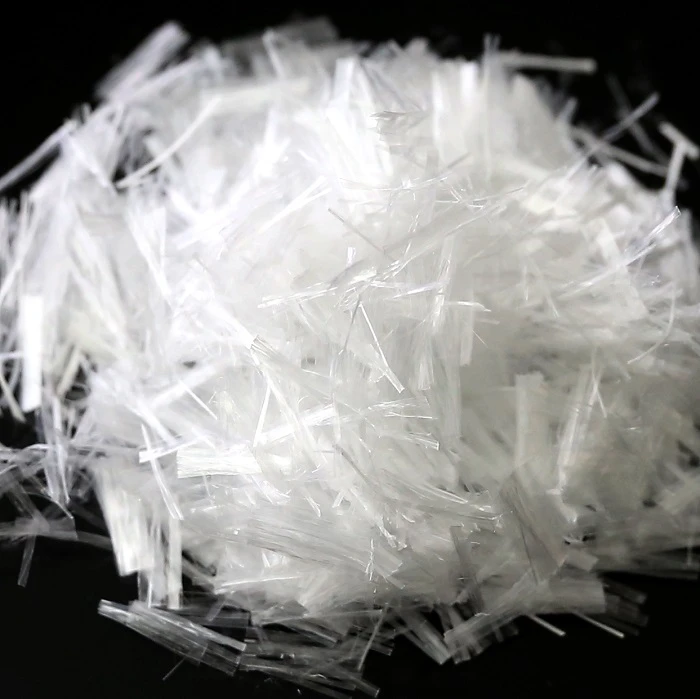
Polypropylene fiber, a synthetic polymer, is known for its numerous advantageous properties. It is lightweight, resistant to moisture, chemicals, and abrasion, and has a relatively low cost of production. These characteristics make it a popular choice in a wide range of industries, from textiles to construction. There are different types of polypropylene fibers available, such as Polypropylene Monofilament Fiber, Polypropylene Stranded Fiber, and Polypropylene Fibers for Concrete.
Safety Considerations
When it comes to children's products, safety is of the utmost importance. Polypropylene is generally considered a safe material. It is non - toxic and has a high melting point, which means it is unlikely to release harmful substances under normal conditions of use. The U.S. Food and Drug Administration (FDA) has approved polypropylene for use in food contact applications, which indicates a certain level of safety for human exposure.
In terms of physical safety, polypropylene fibers can be engineered to be soft and non - irritating to the skin. For example, in the textile industry, polypropylene fibers are often used in baby clothing and bedding. The smooth surface of the fibers reduces the risk of skin irritation, and their moisture - wicking properties can help keep the baby dry and comfortable.
Applications in Children's Products
Clothing and Bedding
Polypropylene fibers can be used in the production of children's clothing, especially for activewear and undergarments. The moisture - wicking ability of polypropylene helps to keep the child dry during physical activities, reducing the risk of hypothermia and skin rashes. In bedding, polypropylene fibers can be blended with other materials to provide a soft and breathable surface for the child to sleep on.
Toys
Some toy manufacturers use polypropylene in the production of soft toys and play mats. The durability of polypropylene ensures that the toys can withstand the rough handling of children. Additionally, its non - toxic nature makes it a safe choice for children to play with.
Diapers
Polypropylene is a common material in disposable diapers. It is used in the outer layer of the diaper to provide a waterproof barrier, while also being breathable. This helps to keep the baby dry and reduces the risk of diaper rash.

Potential Concerns
Despite its many advantages, there are some potential concerns associated with the use of polypropylene fiber in children's products. One concern is the presence of additives. During the manufacturing process, polypropylene fibers may be treated with additives such as dyes, flame retardants, and anti - static agents. These additives could potentially be harmful if they are not properly regulated.
Another concern is the environmental impact. Polypropylene is a non - biodegradable plastic, which means it can contribute to environmental pollution if not disposed of properly. However, many manufacturers are now focusing on developing more sustainable production methods, such as recycling polypropylene fibers.
Industry Standards and Regulations
To ensure the safety of polypropylene fiber in children's products, there are strict industry standards and regulations in place. For example, the Consumer Product Safety Improvement Act (CPSIA) in the United States sets limits on the amount of lead and other harmful substances in children's products. In addition, the European Union has its own set of regulations, such as REACH (Registration, Evaluation, Authorization and Restriction of Chemicals), which aims to protect human health and the environment from the risks posed by chemicals.
Our Role as a Supplier
As a Polypropylene Fiber supplier, we are committed to providing high - quality products that meet or exceed industry standards. We work closely with our customers to ensure that the polypropylene fibers we supply are safe for use in children's products. We conduct regular quality control tests to check for the presence of harmful substances and ensure that our manufacturing processes are environmentally friendly.
We also offer a variety of polypropylene fibers, including Polypropylene Fiber and Pp Fiber Concrete, which can be customized to meet the specific needs of our customers in the children's product industry. Whether it's for clothing, toys, or diapers, we have the expertise and the resources to provide the right solution.
Conclusion
In conclusion, polypropylene fiber can be used in children's products, provided that proper safety measures are taken. Its many advantages, such as safety, durability, and moisture - wicking properties, make it a suitable material for a variety of children's items. However, it is important to be aware of the potential concerns, such as the presence of additives and the environmental impact, and to comply with industry standards and regulations.
If you are interested in using polypropylene fiber in your children's product line, we invite you to contact us for a detailed discussion. Our team of experts is ready to assist you in selecting the right type of polypropylene fiber for your specific needs and to ensure a smooth and successful procurement process.
References
- U.S. Food and Drug Administration (FDA). "Food Contact Substances."
- Consumer Product Safety Improvement Act (CPSIA).
- European Union REACH Regulation.