



Polypropylene fiber, a synthetic material known for its durability and versatility, has emerged as a significant additive in the construction industry. As a leading Polypropylene Fiber supplier, I've witnessed firsthand the transformative impact this material can have on building materials, particularly in enhancing their impact resistance. In this blog post, I'll delve into the science behind how polypropylene fiber influences the impact resistance of building materials, exploring its mechanisms and benefits.
Understanding Polypropylene Fiber
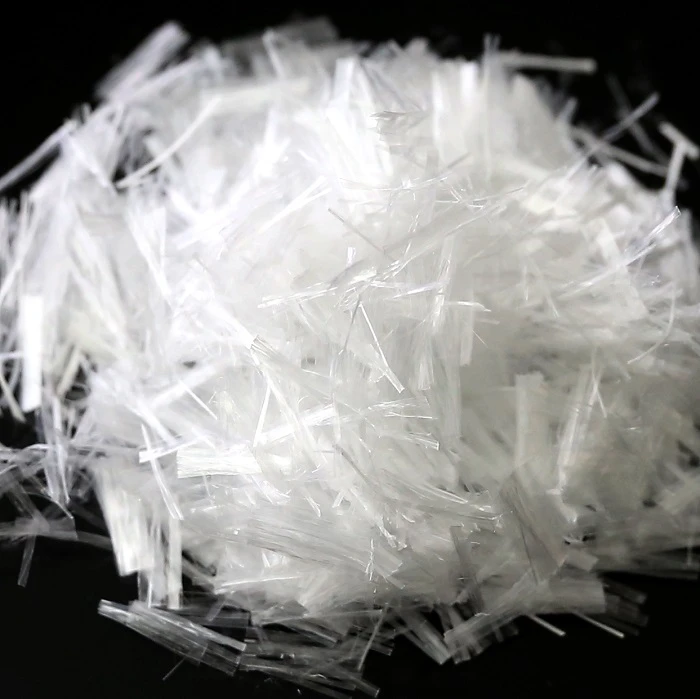
Before we explore its impact on building materials, let's first understand what polypropylene fiber is. Polypropylene is a thermoplastic polymer that can be spun into fibers of various shapes and sizes. These fibers are lightweight, strong, and resistant to chemicals and abrasion. In the construction industry, polypropylene fibers are commonly used in concrete, mortar, and other building materials to improve their performance.
There are several types of polypropylene fibers available, each with its own unique properties and applications. Polypropylene Monofilament Fiber, for example, consists of individual, thin filaments that provide excellent crack resistance and improve the workability of concrete. Polypropylene Coarse Fibre, on the other hand, is thicker and more rigid, offering enhanced impact resistance and toughness.
Mechanisms of Impact Resistance Enhancement
Polypropylene fiber enhances the impact resistance of building materials through several mechanisms:
Crack Arrestment
One of the primary ways polypropylene fiber improves impact resistance is by arresting the propagation of cracks. When a building material is subjected to impact, cracks initiate and spread rapidly, leading to structural failure. Polypropylene fibers act as a reinforcement, bridging the cracks and preventing them from growing. The fibers distribute the stress evenly throughout the material, reducing the concentration of stress at the crack tip and increasing the energy required for crack propagation.
Energy Absorption
Polypropylene fibers also absorb and dissipate energy during an impact. When the fibers are deformed, they absorb the kinetic energy of the impact and convert it into other forms of energy, such as heat and plastic deformation. This energy absorption mechanism helps to reduce the impact force transmitted to the building material, minimizing damage and improving its resistance to impact.
Improved Toughness
The addition of polypropylene fibers increases the toughness of building materials, which is the ability to absorb energy and deform plastically before fracturing. The fibers enhance the material's ability to resist cracking and spalling, making it more durable and resilient under impact loading. This improved toughness is particularly important in applications where building materials are subjected to high-impact forces, such as in industrial floors, pavements, and bridges.
Benefits of Using Polypropylene Fiber in Building Materials
The use of polypropylene fiber in building materials offers several benefits in terms of impact resistance and overall performance:
Enhanced Durability
By improving the impact resistance of building materials, polypropylene fiber helps to extend their service life and reduce maintenance costs. Buildings and structures made with polypropylene fiber-reinforced materials are more resistant to damage from impacts, such as from heavy machinery, vehicles, and natural disasters. This increased durability ensures the long-term stability and safety of the structure.
Improved Safety
In applications where impact resistance is critical for safety, such as in protective structures and anti-ballistic panels, polypropylene fiber can provide an additional layer of protection. The fibers help to prevent the penetration of projectiles and reduce the risk of injury or damage in the event of an impact.
Cost-Effectiveness
Polypropylene fiber is a cost-effective solution compared to other reinforcement materials. It is relatively inexpensive and easy to use, requiring minimal changes to the existing construction processes. The improved performance and durability of polypropylene fiber-reinforced building materials can also lead to long-term cost savings by reducing the need for repairs and replacements.
Applications of Polypropylene Fiber in Building Materials
Polypropylene fiber is widely used in various building materials and applications, including:
Concrete
Polypropylene Fibers for Concrete are commonly used to improve the impact resistance, crack resistance, and durability of concrete structures. In industrial floors, for example, polypropylene fiber can help to prevent the formation of cracks and reduce the risk of damage from heavy equipment and traffic. In precast concrete products, such as panels and blocks, polypropylene fiber can enhance the handling and transportation properties of the products.
Mortar
In mortar applications, polypropylene fiber can improve the workability, adhesion, and impact resistance of the mortar. It can also reduce the shrinkage and cracking of the mortar, making it more suitable for use in masonry construction and repair.

Insulation Materials
Polypropylene fiber can be used in insulation materials to enhance their impact resistance and mechanical properties. In addition, the fibers can improve the thermal insulation performance of the materials by reducing the formation of voids and improving the overall density of the insulation.
Factors Affecting the Impact Resistance of Polypropylene Fiber-Reinforced Building Materials
The impact resistance of polypropylene fiber-reinforced building materials is influenced by several factors, including:
Fiber Content
The amount of polypropylene fiber added to the building material affects its impact resistance. Generally, a higher fiber content results in greater impact resistance, as there are more fibers available to arrest cracks and absorb energy. However, there is an optimal fiber content beyond which the performance may not improve significantly and may even deteriorate due to issues such as poor dispersion and increased fiber-fiber interaction.
Fiber Properties
The properties of the polypropylene fiber, such as its diameter, length, shape, and surface characteristics, also play a role in determining the impact resistance of the building material. Thicker and longer fibers generally provide better impact resistance, as they can span larger cracks and absorb more energy. Fibers with a rough surface or a modified shape may also improve the bonding between the fiber and the matrix material, enhancing the overall performance of the composite.
Matrix Properties
The properties of the matrix material, such as its strength, stiffness, and brittleness, can affect the impact resistance of the polypropylene fiber-reinforced building material. A stronger and more ductile matrix can better support the fibers and distribute the stress, resulting in improved impact resistance. The type and amount of cement, aggregates, and admixtures used in the matrix can also influence its properties and, consequently, the performance of the composite.
Conclusion
Polypropylene fiber is a versatile and effective additive that can significantly enhance the impact resistance of building materials. Through its crack arrestment, energy absorption, and improved toughness mechanisms, polypropylene fiber helps to protect buildings and structures from damage caused by impacts, improving their durability, safety, and cost-effectiveness. As a Polypropylene Fiber supplier, I am committed to providing high-quality products and technical support to help our customers achieve the best results in their construction projects.
If you are interested in learning more about how polypropylene fiber can improve the impact resistance of your building materials or if you would like to discuss your specific requirements, please feel free to contact us. We would be happy to assist you in selecting the right polypropylene fiber product for your application and provide you with detailed information on its installation and use.
References
- ACI Committee 544. (1988). State-of-the-Art Report on Fiber-Reinforced Concrete. American Concrete Institute.
- Naaman, A. E., & Reinhardt, H. W. (1996). Fibre-Reinforced Concrete: Present and Future. E & FN Spon.
- Vipulanandan, C., & Pando, J. G. (2007). Effect of Polypropylene Fibers on the Impact Resistance of Concrete. Journal of Materials in Civil Engineering, 19(10), 821-828.