


Hey there! I'm a supplier of Pp Fiber Concrete, and today I wanna chat about how the pH value of the concrete matrix affects Pp Fiber Concrete.
First off, let's quickly understand what Pp Fiber Concrete is. Pp Fiber Concrete, or Pp Fiber Concrete, is a type of concrete that has polypropylene fibers added to it. These fibers, like Polypropylene Monofilament Fiber and Polypropylene Fibers for Concrete, bring a bunch of benefits to the concrete, such as improving its toughness, reducing cracking, and enhancing its durability.
Now, the pH value of the concrete matrix is a big deal. Concrete is usually alkaline, with a pH value typically ranging from 12 to 13. This high alkalinity comes from the hydration of cement, which produces calcium hydroxide. The alkaline environment is important for the long - term performance of the concrete.
When it comes to Pp Fiber Concrete, the high pH value of the concrete matrix can have both positive and negative impacts.
On the positive side, the alkaline environment in the concrete matrix can help protect the polypropylene fibers to some extent. Polypropylene is a relatively stable polymer, but in certain extreme conditions, it can be affected by chemical reactions. The alkaline environment of the concrete acts as a sort of shield. It prevents the penetration of some harmful substances that could potentially damage the fibers. For example, it can stop the ingress of acids from the surrounding environment. If acids were to reach the polypropylene fibers, they could cause degradation of the fibers over time, which would then reduce the effectiveness of the Pp Fiber Concrete.
Moreover, the high pH value also promotes the proper hydration of cement in the Pp Fiber Concrete. The polypropylene fibers are dispersed in the concrete matrix during the mixing process. As the cement hydrates in the alkaline environment, it forms a strong bond with the surrounding materials, including the polypropylene fibers. This bond is crucial for transferring stress between the fibers and the concrete matrix. When the concrete is under load, the fibers can effectively share the stress, which enhances the overall mechanical properties of the Pp Fiber Concrete, such as its flexural strength and impact resistance.
However, there are also some negative aspects associated with the high pH value of the concrete matrix. Over time, the high - alkaline environment can cause a phenomenon called carbonation. Carbonation occurs when carbon dioxide from the air reacts with the calcium hydroxide in the concrete. This reaction reduces the pH value of the concrete matrix. As the pH value drops, the protective layer around the polypropylene fibers can be weakened.
When the pH value falls below a certain level, the concrete becomes more vulnerable to corrosion of the steel reinforcement (if present) and can also affect the performance of the polypropylene fibers. The reduced pH can lead to a loss of the bond between the fibers and the concrete matrix. As a result, the fibers may not be able to transfer stress as effectively, and the overall performance of the Pp Fiber Concrete, especially its crack - resistance, can be compromised.
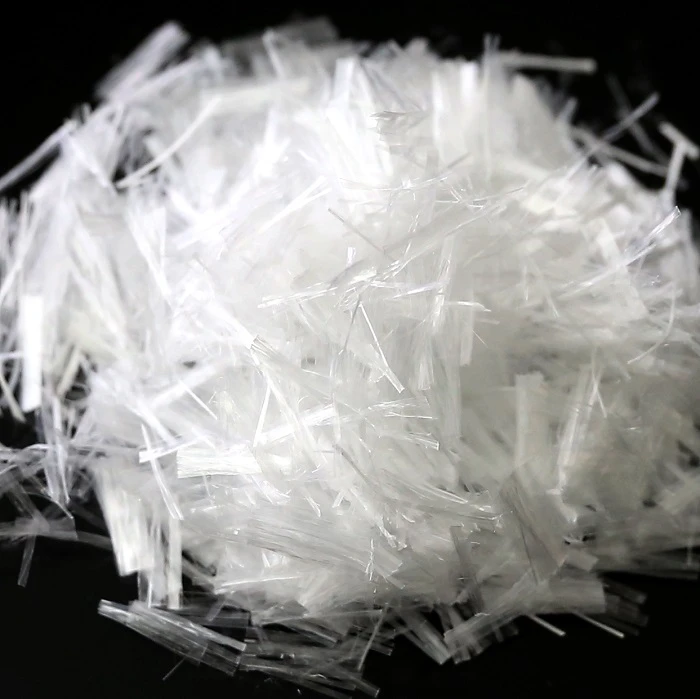

Another issue is that in a very high - alkaline environment, there could be some minor surface reactions on the polypropylene fibers. Although polypropylene is generally resistant to alkalis, long - term exposure to extremely high pH values might cause some changes in the surface properties of the fibers. These changes could potentially affect the dispersion of the fibers in the concrete matrix during the mixing process. If the fibers don't disperse evenly, they won't be able to provide uniform reinforcement to the concrete, which can lead to inconsistent performance of the Pp Fiber Concrete.
To manage the impact of the pH value on Pp Fiber Concrete, we as suppliers need to take several measures. Firstly, we can control the composition of the concrete mix. By adjusting the amount of cement and other additives, we can try to maintain a stable pH value within an optimal range. For example, adding certain pozzolanic materials like fly ash or silica fume can help buffer the alkalinity of the concrete. These materials react with the calcium hydroxide produced during cement hydration, which can moderate the pH value and reduce the risk of carbonation.
Secondly, we can also treat the polypropylene fibers before adding them to the concrete. Surface treatments can enhance the compatibility of the fibers with the concrete matrix, especially in an alkaline environment. This can improve the bond between the fibers and the concrete and make the Pp Fiber Concrete more resistant to the negative effects of the high pH value.
In addition, proper curing of the Pp Fiber Concrete is essential. Curing helps the concrete achieve its full strength and can also influence the pH value distribution within the concrete matrix. By keeping the concrete moist during the curing period, we can promote more complete cement hydration and maintain a more stable alkaline environment.
As a Pp Fiber Concrete supplier, I'm always looking for ways to improve the quality of our products. Understanding how the pH value of the concrete matrix affects Pp Fiber Concrete is crucial for us to provide the best - performing products to our customers. Whether you're working on a small - scale construction project or a large - scale infrastructure development, the performance of Pp Fiber Concrete can make a big difference.
If you're interested in Pp Fiber Concrete for your next project, I'd love to have a chat with you. We can discuss your specific requirements, and I can provide you with detailed information about our products. Don't hesitate to reach out and start a conversation about how we can meet your Pp Fiber Concrete needs.
References
- Neville, A. M. (2011). Properties of Concrete. Pearson Education.
- Mindess, S., Young, J. F., & Darwin, D. (2014). Concrete: Microstructure, Properties, and Materials. Wiley.