



Hey there! As a supplier of shotcrete steel fiber, I often get asked about how to estimate the cost of using steel fiber in a shotcrete project. It's not just a matter of slapping a price tag on the steel fibers and calling it a day. There are several factors at play, and I'm here to break it down for you in a way that's easy to understand.
1. Project Requirements
First things first, you've got to understand what your project needs. The type of structure you're building, whether it's a tunnel, a slope stabilization, or a building foundation, will greatly affect the amount and type of steel fiber required.
For instance, if you're working on a Tunnel Shotcrete Project, you might need a higher dosage of steel fiber to enhance the durability and crack resistance of the shotcrete. Tunnel walls are under constant stress from ground pressure and water seepage, so you want to make sure your shotcrete can withstand all that.
On the other hand, a simple slope stabilization project might not need as much steel fiber. The main goal there is to prevent soil erosion and provide some structural support, so a lower dosage could do the trick.
2. Type of Steel Fiber
There are different types of steel fibers available, and each has its own cost associated with it.
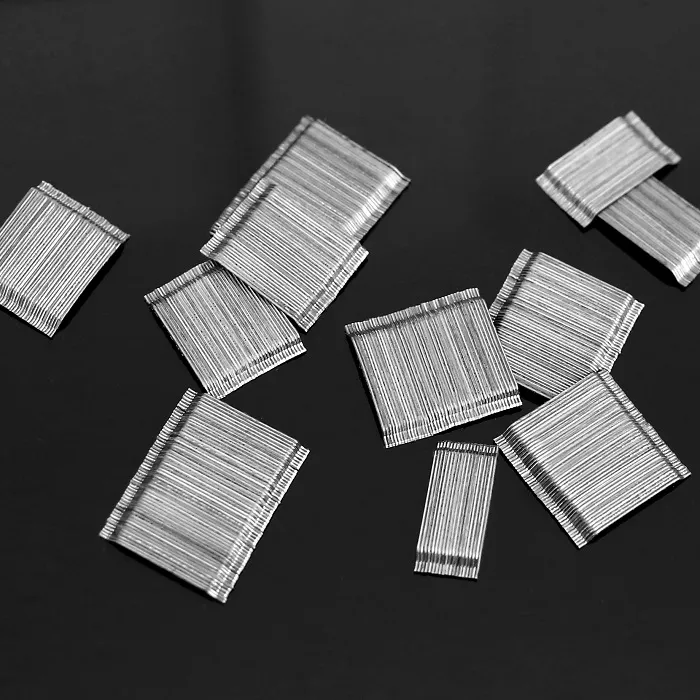
- Wavy Steel Fiber: These fibers have a wavy shape, which provides better bonding with the concrete. You can find more about Wavy Steel Fiber on our website. The wavy design helps in distributing stress more evenly across the concrete, reducing the risk of cracks. However, the manufacturing process for wavy steel fibers is a bit more complex, so they tend to be a bit pricier than other types.
- End Hooked Steel Fiber: These fibers have hooks at the ends, which also improve the bonding between the fiber and the concrete. They are great for enhancing the ductility and toughness of the shotcrete. Learn more about End Hooked Steel Fiber. Due to the additional step of forming the hooks, the cost of end hooked steel fibers is also relatively higher.
- Plain Steel Fiber: As the name suggests, these are just straight steel fibers. They are the most basic type and are usually the least expensive. But they may not provide the same level of performance as wavy or end hooked fibers in terms of crack resistance and bonding.
3. Dosage of Steel Fiber
The dosage of steel fiber is measured in kilograms per cubic meter (kg/m³) of shotcrete. The amount you need depends on the project requirements, as we discussed earlier.
Typically, for general shotcrete applications, a dosage of 20 - 40 kg/m³ might be sufficient. However, for high-stress applications like tunnels or industrial floors, you might need to ramp it up to 50 - 80 kg/m³ or even more.
Let's say you have a project that requires a 30 kg/m³ dosage of steel fiber, and you're using Steel Fibre that costs $2 per kilogram. For every cubic meter of shotcrete, you'll be spending $60 just on the steel fiber. If your project requires 100 cubic meters of shotcrete, then your total cost for steel fiber will be $6000.
4. Shotcrete Volume
Obviously, the more shotcrete you need, the more steel fiber you'll have to buy, and the higher the cost will be. Calculating the volume of shotcrete required depends on the surface area and the thickness of the shotcrete layer.
For example, if you're spraying shotcrete on a wall that has an area of 100 square meters and you need a 100 mm (0.1 meters) thick layer, the volume of shotcrete required will be 100 m² x 0.1 m = 10 cubic meters.
Once you've determined the volume of shotcrete, you can multiply it by the dosage of steel fiber per cubic meter to find out how much steel fiber you'll need. And then, multiply that by the cost per kilogram of the steel fiber to get the total cost.

5. Additional Costs
Don't forget about the additional costs that come with using steel fiber in a shotcrete project.
- Mixing and Application: You'll need to mix the steel fiber evenly into the shotcrete. This might require some specialized equipment or additional labor. If you're using a ready - mix concrete supplier, they might charge an extra fee for adding the steel fiber into the mix.
- Transportation: The cost of transporting the steel fiber to the project site should also be factored in. If the project is located in a remote area, the transportation cost could be significant.
How to Get an Accurate Estimate
To get an accurate estimate of the cost of using steel fiber in your shotcrete project, I recommend the following steps:
- Consult with a Professional: If you're not sure about the project requirements or the type and dosage of steel fiber you need, it's a good idea to consult with a structural engineer or an experienced contractor. They can provide valuable insights based on their expertise.
- Request Quotes from Suppliers: Contact different steel fiber suppliers and ask for quotes. Make sure to provide them with detailed information about your project, including the type of structure, the volume of shotcrete required, and the desired dosage of steel fiber. This will help them give you a more accurate quote.
- Compare Prices and Quality: Don't just go for the cheapest option. Look at the quality of the steel fiber as well. Higher - quality fibers might cost more upfront, but they can save you money in the long run by reducing the risk of cracks and maintenance costs.
The Benefits of Using Steel Fiber in Shotcrete
Before we wrap up, let's talk briefly about why using steel fiber in shotcrete is worth considering.
- Enhanced Durability: Steel fibers improve the crack resistance, toughness, and ductility of the shotcrete. This means the structure will last longer and require less maintenance over time.
- Increased Flexural Strength: The flexural strength of the shotcrete is significantly improved with the addition of steel fiber. This is especially important for applications where the structure is subjected to bending or tensile forces.
- Better Resistance to Impact and Fatigue: Steel - fiber - reinforced shotcrete can withstand impact and fatigue loads better than plain shotcrete. This makes it ideal for high - traffic areas or structures that are exposed to dynamic loads.
Conclusion
Estimating the cost of using steel fiber in a shotcrete project is a multi - step process that involves considering the project requirements, the type and dosage of steel fiber, the volume of shotcrete, and the additional costs. By following the steps I've outlined above, you can get a more accurate estimate and make an informed decision.
If you're interested in learning more about Concrete with Metal Fiber or Types Of Fiber Reinforced Concrete, or if you're looking to start a project and need a quote on steel fiber, feel free to reach out. We're here to help you find the best solution for your project at a competitive price. Let's work together to make your shotcrete project a success!
References
- Eurocode 2: Design of concrete structures.
- ACI 544.1R-96: Report on the use of freshly mixed fiber - reinforced concrete.
- Malhotra, V.M., & Ross, C.A. (2006). High - performance fiber - reinforced concrete: proceedings of the international symposium.