


Is Pp Fiber Concrete a self - compacting concrete?
In the realm of construction materials, Pp Fiber Concrete has gained significant attention in recent years. As a supplier of Pp Fiber Concrete, I am often asked whether it is a self - compacting concrete. To answer this question comprehensively, we need to understand the characteristics of both Pp Fiber Concrete and self - compacting concrete.
Understanding Pp Fiber Concrete
Pp Fiber Concrete, or Polypropylene Fiber Reinforced Concrete, is a composite material that combines traditional concrete with polypropylene fibers. These fibers play a crucial role in enhancing the performance of the concrete. Polypropylene Fiber comes in various forms, such as Polypropylene Monofilament Fiber and Polypropylene Coarse Fibre.

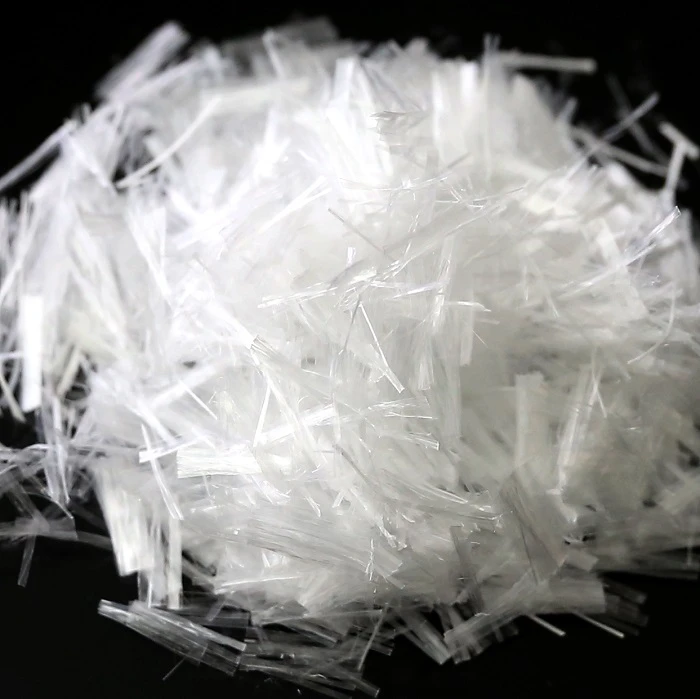
The addition of polypropylene fibers to concrete offers several benefits. Firstly, it improves the crack resistance of the concrete. When the concrete is subjected to stress, the fibers act as a reinforcement, distributing the stress and preventing the formation and propagation of cracks. This is particularly important in structures where durability is a key concern, such as bridges, buildings, and pavements.
Secondly, polypropylene fibers enhance the impact resistance of the concrete. They can absorb energy during an impact, reducing the likelihood of damage to the structure. This makes Pp Fiber Concrete a suitable choice for applications where the structure may be exposed to dynamic loads, such as industrial floors and parking garages.
Moreover, polypropylene fibers can also improve the workability of the concrete to some extent. They help to reduce the segregation and bleeding of the concrete, making it easier to place and finish. However, the workability improvement is not as significant as that of self - compacting concrete.
Characteristics of Self - Compacting Concrete
Self - compacting concrete (SCC) is a highly flowable concrete that can fill formwork without the need for external vibration. It is designed to have excellent workability, passing ability, and segregation resistance. SCC is characterized by its high fluidity, which allows it to flow under its own weight and fill all the corners and spaces in the formwork, even around complex reinforcement.
The key factors that contribute to the self - compacting properties of SCC include the use of superplasticizers, a well - graded aggregate, and a carefully designed mix proportion. Superplasticizers are chemical admixtures that reduce the water content required for a given workability, while maintaining the strength of the concrete. The well - graded aggregate ensures that the concrete has a dense and homogeneous structure, which is essential for its self - compacting ability.
Comparing Pp Fiber Concrete and Self - Compacting Concrete
Now, let's compare Pp Fiber Concrete and self - compacting concrete to determine whether Pp Fiber Concrete can be considered a self - compacting concrete.
Workability
Self - compacting concrete has extremely high workability, with a slump flow typically in the range of 650 - 800 mm. It can flow easily through narrow spaces and around reinforcement without the need for vibration. In contrast, Pp Fiber Concrete, although it has some improvement in workability due to the addition of polypropylene fibers, does not have the same level of fluidity as self - compacting concrete. The fibers in Pp Fiber Concrete can slightly increase the viscosity of the concrete, which may limit its flowability.
Filling Ability
One of the main characteristics of self - compacting concrete is its ability to fill formwork completely without any voids or honeycombing. It can flow into all the corners and around complex shapes, ensuring a uniform and dense structure. Pp Fiber Concrete, on the other hand, may require some degree of vibration to ensure proper filling, especially in areas with dense reinforcement or complex geometries.
Segregation Resistance
Self - compacting concrete is designed to have excellent segregation resistance. The use of superplasticizers and a well - graded aggregate helps to keep the components of the concrete evenly distributed during the flow process. While polypropylene fibers in Pp Fiber Concrete can reduce segregation to some extent, they do not provide the same level of segregation resistance as the carefully designed mix of self - compacting concrete.
Can Pp Fiber Concrete be Made Self - Compacting?
Although Pp Fiber Concrete is not inherently a self - compacting concrete, it is possible to modify the mix design to achieve self - compacting properties. By adding superplasticizers and adjusting the aggregate gradation, the workability and flowability of Pp Fiber Concrete can be improved to a level where it can self - compact.
However, it is important to note that the addition of polypropylene fibers may have some impact on the self - compacting properties of the concrete. The fibers can increase the viscosity of the concrete, which may require a higher dosage of superplasticizers to achieve the desired flowability. Additionally, the presence of fibers may also affect the passing ability of the concrete, especially in areas with dense reinforcement.
Applications of Pp Fiber Concrete and Self - Compacting Concrete
Pp Fiber Concrete is widely used in various construction applications where crack resistance, impact resistance, and durability are important. It is commonly used in pavements, industrial floors, precast concrete elements, and shotcrete. In these applications, the addition of polypropylene fibers can significantly improve the performance of the concrete.
Self - compacting concrete, on the other hand, is mainly used in applications where high workability and ease of placement are required. It is often used in structures with complex geometries, such as high - rise buildings, bridges, and underwater structures. The self - compacting properties of SCC allow for faster construction and better quality control.
Conclusion
In conclusion, Pp Fiber Concrete is not a self - compacting concrete by nature. However, with appropriate mix design modifications, it is possible to make Pp Fiber Concrete self - compacting. Each type of concrete has its own unique characteristics and applications, and the choice between them depends on the specific requirements of the construction project.
If you are interested in Pp Fiber Concrete or Polypropylene Fibers for Concrete, we are here to provide you with high - quality products and professional technical support. Feel free to contact us for further information and to discuss your procurement needs.
References
- Neville, A. M. (1995). Properties of Concrete. Pearson Education.
- ACI Committee 234. (2001). State - of - the - Art Report on Fiber - Reinforced Concrete. American Concrete Institute.
- Okamura, H., & Ouchi, M. (2003). Self - Compacting Concrete. Journal of Advanced Concrete Technology, 1(1), 5 - 15.