



Pp Fiber Concrete, also known as Polypropylene Fiber Reinforced Concrete, has emerged as a revolutionary material in the construction industry. As a leading supplier of Pp Fiber Concrete, I am excited to delve into its various applications and highlight its significance in modern construction projects.
Introduction to Pp Fiber Concrete
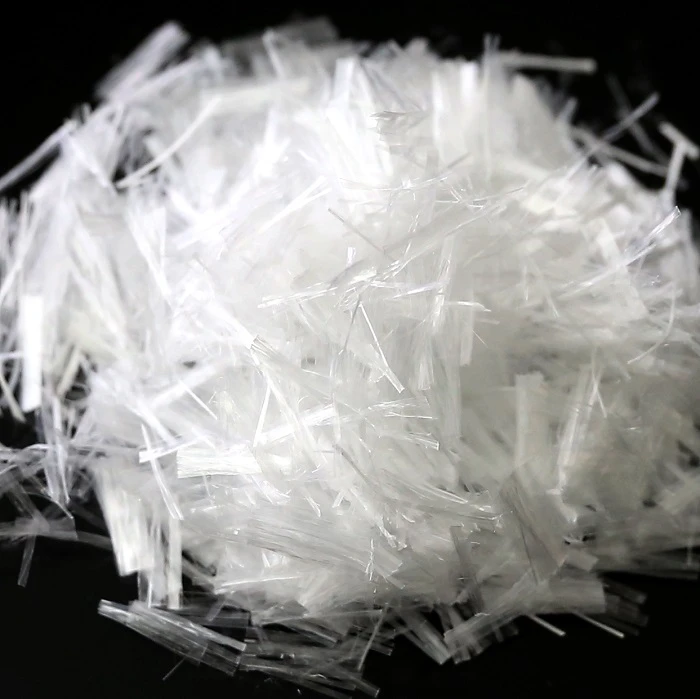
Pp Fiber Concrete is a composite material that combines traditional concrete with polypropylene fibers. These fibers, which can be in the form of Polypropylene Stranded Fiber or Polypropylene Monofilament Fiber, are added to the concrete mix to enhance its performance and durability. The addition of polypropylene fibers improves the concrete's resistance to cracking, impacts, and abrasion, making it an ideal choice for a wide range of construction applications.
Applications of Pp Fiber Concrete in Construction
1. Industrial Floors
Industrial floors are subjected to heavy loads, traffic, and abrasion. Pp Fiber Concrete is an excellent choice for industrial floors due to its high impact resistance and crack control properties. The fibers in the concrete help to distribute the load evenly, reducing the risk of cracking and spalling. This results in a longer lifespan for the floor, reducing maintenance costs and downtime. Additionally, Pp Fiber Concrete can be used to create a smooth and level surface, which is essential for the efficient operation of industrial equipment.
2. Residential Construction
In residential construction, Pp Fiber Concrete can be used for a variety of applications, including foundations, slabs, and driveways. The addition of polypropylene fibers to the concrete mix improves its strength and durability, reducing the risk of cracking and structural damage. This is particularly important in areas with high seismic activity or where the soil conditions are unstable. Pp Fiber Concrete can also be used to create decorative finishes, such as stamped concrete, which can enhance the aesthetic appeal of a home.

3. Bridge Decks
Bridge decks are exposed to harsh environmental conditions, including traffic loads, weathering, and chemical exposure. Pp Fiber Concrete is an ideal material for bridge decks due to its high strength, durability, and resistance to corrosion. The fibers in the concrete help to prevent cracking and spalling, which can lead to structural damage and reduced lifespan. Additionally, Pp Fiber Concrete can be used to create a smooth and skid-resistant surface, which is essential for the safety of motorists.
4. Tunnel Linings
Tunnel linings are subjected to high pressures, water infiltration, and chemical exposure. Pp Fiber Concrete is an excellent choice for tunnel linings due to its high strength, durability, and resistance to water and chemicals. The fibers in the concrete help to prevent cracking and spalling, which can lead to water leakage and structural damage. Additionally, Pp Fiber Concrete can be used to create a smooth and durable surface, which is essential for the efficient operation of the tunnel.
5. Marine Structures
Marine structures, such as piers, docks, and seawalls, are exposed to harsh environmental conditions, including saltwater, waves, and tides. Pp Fiber Concrete is an ideal material for marine structures due to its high strength, durability, and resistance to corrosion. The fibers in the concrete help to prevent cracking and spalling, which can lead to structural damage and reduced lifespan. Additionally, Pp Fiber Concrete can be used to create a smooth and durable surface, which is essential for the efficient operation of the marine structure.
Advantages of Pp Fiber Concrete
The use of Pp Fiber Concrete offers several advantages over traditional concrete, including:
1. Improved Crack Resistance
The addition of polypropylene fibers to the concrete mix helps to control cracking by distributing the stress evenly throughout the concrete. This reduces the risk of cracking and spalling, which can lead to structural damage and reduced lifespan.
2. Increased Durability
Pp Fiber Concrete is more durable than traditional concrete due to its high strength and resistance to abrasion, impact, and chemical exposure. This results in a longer lifespan for the concrete, reducing maintenance costs and downtime.
3. Enhanced Workability
The addition of polypropylene fibers to the concrete mix improves its workability, making it easier to place and finish. This results in a smoother and more consistent surface, which is essential for the aesthetic appeal of the concrete.
4. Reduced Shrinkage
Pp Fiber Concrete has a lower shrinkage rate than traditional concrete, which reduces the risk of cracking and warping. This is particularly important in large concrete structures, such as foundations and slabs.
5. Cost-Effective
Pp Fiber Concrete is a cost-effective alternative to traditional concrete due to its lower maintenance costs and longer lifespan. Additionally, the use of Pp Fiber Concrete can reduce the need for additional reinforcement, such as steel bars, which can further reduce the cost of the project.
Conclusion
In conclusion, Pp Fiber Concrete is a versatile and innovative material that offers several advantages over traditional concrete. Its applications in construction are wide-ranging, from industrial floors and residential construction to bridge decks, tunnel linings, and marine structures. As a supplier of Pp Fiber Concrete, I am committed to providing high-quality products and services to our customers. If you are interested in learning more about the applications of Pp Fiber Concrete in your construction project, please contact us to discuss your specific needs. We look forward to working with you to find the best solution for your project.
References
- Neville, A. M. (2011). Properties of Concrete. Pearson Education.
- ACI Committee 544. (1996). State-of-the-Art Report on Fiber-Reinforced Concrete. American Concrete Institute.
- Mindess, S., Young, J. F., & Darwin, D. (2003). Concrete. Prentice Hall.