



A ready-mix trial earns its cost when it answers what will happen between the batch plant and the finished slab. A mixer can arrive with its paperwork in order and still reveal that the pump, discharge route, crew or finishing sequence is unsuitable for the planned job. Use a controlled trial to agree the evidence needed for all those handoffs before the team commits to production.
The steel fiber ready-mix truck trial should use representative material and the equipment the team expects to employ, under the project engineer's approved procedure. Agree what will be tested before the truck is booked. The trial can reveal whether a planned process is workable under the observed conditions. The project specification and authorized engineer govern mixture, testing and structural acceptance.
Tie material, pump, placement and testing to the same authorized trial.
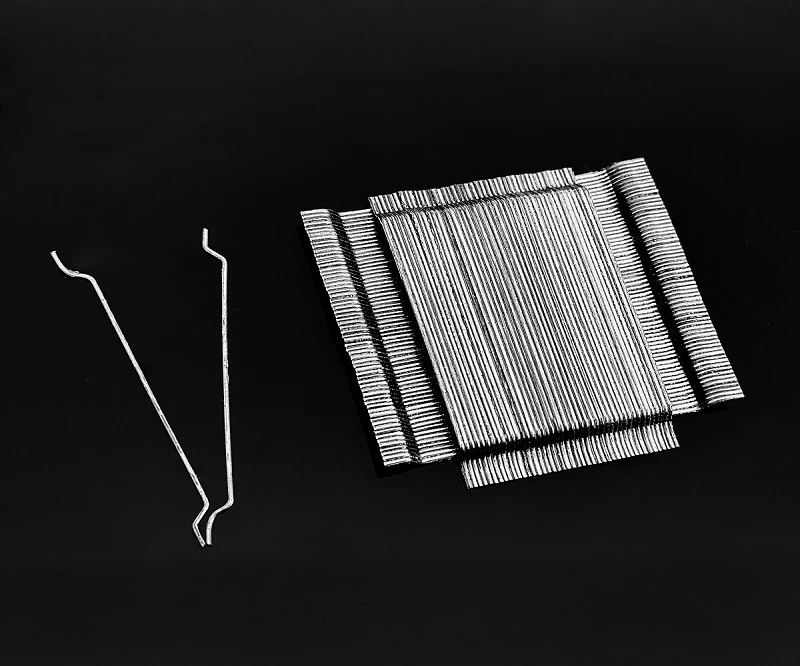
Tangshan Yian hooked-end steel fiber · Tangshan Yian steel fiber range
Assign the decisions before the order leaves the plant
Put the project engineer, ready-mix supplier, pump contractor, placing crew and testing party on the same short trial brief. Show who releases the mix, who can stop work and who documents a deviation. Identify the approved mixture reference and specify how the actual project materials will be identified. Tangshan Yian lists hooked-end steel fibers. Confirm the exact fiber identity, dimensions and applicable product documents in the quotation and approved submittal.
Record the point at which the planned sequence changes hands. An opening at the plant may not line up with the pump reservation. The crew may need time to check access, assemble approved equipment and preserve the intended sequence. Keep these windows on a single timeline. Leave enough time for the agreed checks without expecting the team to waive a hold.
In the request, distinguish the material the test will consume from the material ordered for the job. Send batch identification, times, handling constraints and approved stock requirements to everyone who needs them. Ask which packaging is suitable for the plant and how the supplier will show the fiber lot. Resolve the waste and cleanup arrangements before the truck arrives.
Cover discharge and placement as separate observations
At the plant and site, have designated parties record actual timestamps, truck identity and any deviation from the approved arrangement. At the point agreed by the engineer, perform the required checks using qualified personnel and the specified method. Take observations on the first representative material, any change in discharge and the conditions under which the pump and finishers worked. Keep those observations separate from formal test results.
| Stage | What the trial should record | Who needs the record |
|---|---|---|
| Order release | Approved mix, fiber identity and trial scope | Plant and testing party |
| Arrival | Actual time, ticket, truck and material condition | Site and pump supervisor |
| Pumping | Approved equipment and location of any interruption | Pump contractor and engineer |
| Placement | Trial area, crew sequence and finish observations | Placing contractor and owner |
| Disposition | Results, deviations, decisions and follow-up | Engineer and purchasing |
During review, resist treating an observed issue as a diagnosis. An interruption may coincide with a delay or a change in condition, but the trial note alone does not prove the cause. Record when it happened, what was happening before it and what the responsible personnel decided. The conditions often narrow the next investigation more effectively than a general note about pumpability.
Make the slab trial usable after the site is cleared
Set the trial area and purpose with the project team. Mark the locations where samples or observations belong. Photographs can show texture, edge work and handling at the sample location. Label the time, direction and any change in lighting. Photograph a comparison spot if the decision depends on appearance. The project engineer can say what finished conditions are relevant to the agreed surface and service requirements.
Archive the actual fiber label, batch documentation and any results alongside the drawing of the trial area. If other inputs changed, capture them too. A later review comparing a different supply cannot use this trial responsibly without knowing whether the material, equipment and conditions matched.
An illustrative outcome is a brief in which the crew completed an authorized placement but the testing contractor missed one specified sampling window. Record that as incomplete evidence. Have the engineer decide whether a limited repeat or a separate test is required. A productive shift and a complete acceptance package are two distinct things.
Cost the repeat before calling a trial successful
A trial involving a spare truck slot has different costs from one that ties up a reserved pump and finishing crew. Ask bidders and subcontractors to say what is included when the date changes or an authorized repeat is required. Put cancellation and standby terms in the commercial record. Keep approvals separate from supplier availability so the project does not rush an acceptance for fear of losing a reservation.
If the parties need a repeat, write the question first. For example, a repeat can compare site timing under the same approved arrangement or verify a specific condition the first crew could not observe. A repeat that changes material, pump and crew together may yield a result without showing which change mattered. Record the new variable and which parts of the previous result remain useful.
Write the handoff note while the trial is still fresh
At the end of the trial, run a brief review with the people who can confirm the route the material took. Start with discrepancies between planned and actual conditions. Ask the plant for any authorized change record, the pump contractor for observations under its procedure and the testing party for the actual report status. For each issue, write who decides and what they need. An incomplete issue should have a date for follow-up and should appear on any subsequent scheduling request.
Preserve observations before assigning causes
A ready-mix crew may notice something that an instrument report cannot show, such as a difficult access point or lack of time to complete a specified observation. Ask staff to describe where and when it occurred. Keep the crew's explanation alongside any measurements, clearly distinguished. In an illustrative handoff, the placement lead saw a condition only at the first section of the trial; the engineer needs that location and time before deciding whether it applies elsewhere. A vague note about the whole truck would make the observation harder to use.
Create a copy of the brief for the next purchasing decision. Name the approved fiber item and material evidence, mixing plant, intended placement route and the party approving any departure. Keep the scope of the purchasing request specific. The material supplier may be able to confirm product identity, package and available documents. Site decisions about the pump, mixture and structural performance belong with the relevant qualified parties. Invite the supplier to flag any documented differences before sending product.
A contractor planning a larger pour can ask which portions of the trial really represent production. Perhaps the truck route is unchanged but the placing distance is different. Perhaps the pump is approved and available, but a change in site access requires another review. Record those differences and refer questions to the appropriate project owner. Preserve the evidence accepted at the original scope, while holding decisions for any changed conditions until they are properly addressed.
The final one-page summary can state which documents are complete, which observations were reviewed and which issues remain with their named owners. If a rerun is approved, keep its record separate and compare the agreed condition against the previous event. Give procurement the approved specification and the release scope needed to place an order. That makes it easier to avoid ordering an unavailable pack, a different fiber or an unnecessary excess based on a trial record that failed to distinguish facts from proposals.
Hold a short pre-trial meeting at the handoff point
Ask the lead from the next operation to show where it will receive the material, how it confirms that the testing party is present, and who reports any difference in access. Put the location and responsible party on the plan. The same drawing can mark where a schedule interruption is first communicated. If an observer cannot safely occupy the proposed position, change the arrangement before the truck is ordered and have the qualified owner approve the revised plan. Confirm how updates travel to other teams when phone access or visibility is limited on site.
Questions to close before booking the truck
Can a successful plant mix replace a pump trial?
Ask which decision still requires site evidence. Plant results can answer some material questions. Trial pumping and placement have separate equipment, access and acceptance conditions.
Who sets the fiber dose and acceptance limits?
Use the approved mixture and project requirements set through the authorized engineer and applicable documents. Procurement should verify that the supplied fiber agrees with the approved submittal.
What if the trial truck arrives out of sequence?
Record the actual timeline and raise the discrepancy with the designated authority. Use the project procedure to decide whether the trial can continue or needs to be rescheduled.
How do we document interrupted discharge?
Record the time, stage, staff observations and disposition under the approved procedure. Do not draw a causal conclusion from a single observation. Bring the people responsible for the equipment and the mix into the review.
Does the sample need the real pump and crew?
Use the equipment and conditions required by the trial brief for the decision being made. Document differences and ask the engineer whether they limit any conclusion.
Which fiber records should we keep?
Keep the actual product and lot, quantity records, packaging identification, technical submittal, links to the batch and any shipment discrepancy. Add the authorized release record when it is available.
Request fiber documentation for the trial
Send Tangshan Yian the engineer-approved product reference, trial schedule, quantity, plant handling information and document requirements. Ask the supplier to confirm which listed fiber and packaging can be evaluated.