



Steel fiber has emerged as a significant material in the construction industry, especially when it comes to roofing applications. As a supplier of steel fiber for roofs, I've witnessed firsthand the impact it can have on various aspects of roof performance, including thermal insulation. In this blog, we'll explore how steel fiber affects the thermal insulation of a roof and why it's an important consideration for any roofing project.
Understanding Thermal Insulation in Roofs
Thermal insulation in roofs is crucial for maintaining a comfortable indoor environment and reducing energy consumption. A well - insulated roof helps to prevent heat transfer between the interior and exterior of a building. In hot climates, it keeps the heat out, while in cold climates, it retains the warmth inside. Traditional roofing materials like concrete have some level of thermal insulation properties, but they can be enhanced with the addition of steel fiber.
How Steel Fiber Influences Thermal Insulation
1. Structural Integrity and Insulation
Steel fiber enhances the structural integrity of the roof. When added to concrete, it helps to distribute stress more evenly, reducing the formation of cracks. Cracks in a roof can be a major pathway for heat transfer. By minimizing cracks, steel fiber ensures that the roof's insulation layer remains intact. For example, in a Fibre Steel Reinforced Concrete roof, the steel fibers act as a reinforcement network, holding the concrete together and preventing the development of large cracks that could compromise the thermal insulation.
2. Improved Density and Insulation
The addition of steel fiber can increase the density of the roofing material. A denser material generally has better thermal insulation properties because it has fewer air voids. Air is a poor conductor of heat, but large air voids can allow heat to pass through more easily. Steel fiber helps to fill these voids, creating a more compact and thermally efficient structure. In Concrete with Metal Fiber, the metal fibers contribute to a more solid and dense matrix, which in turn improves the roof's ability to resist heat transfer.
3. Enhanced Thermal Mass
Thermal mass refers to a material's ability to absorb, store, and release heat. Steel fiber can enhance the thermal mass of a roof. When the roof is exposed to sunlight during the day, it absorbs heat. The steel fiber in the roofing material helps to store this heat more effectively. At night, when the temperature drops, the stored heat is released slowly, helping to maintain a more stable indoor temperature. This is particularly beneficial in regions with large diurnal temperature variations.
Types of Steel Fiber and Their Impact on Thermal Insulation
Glued Steel Fiber
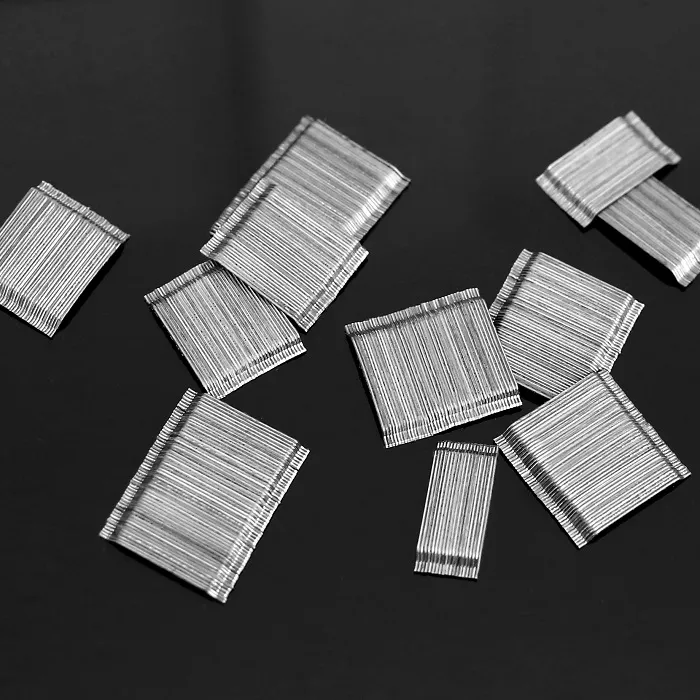
Glued Steel Fiber is a type of steel fiber that is pre - bundled with a water - soluble adhesive. This type of fiber is easy to disperse in concrete, ensuring a more uniform distribution. When used in roofing, glued steel fiber can improve the overall thermal insulation by enhancing the structural integrity and density of the concrete. The uniform distribution of the fibers helps to create a more consistent and effective insulation layer.
Case Studies
Let's look at a couple of case studies to illustrate the impact of steel fiber on roof thermal insulation.
Case Study 1: Commercial Building in a Hot Climate
A commercial building in a hot desert climate was constructed with a roof made of concrete reinforced with steel fiber. Before the installation of the steel - fiber - reinforced roof, the building had high energy costs due to excessive heat transfer through the roof. After the new roof was installed, the energy consumption for cooling decreased by 20%. The steel fiber helped to reduce cracks in the concrete, improving the insulation and preventing heat from entering the building.

Case Study 2: Residential Building in a Cold Climate
In a residential building in a cold climate, a steel - fiber - reinforced concrete roof was installed. The homeowners noticed a significant improvement in the indoor temperature during the winter months. The enhanced thermal mass of the roof, thanks to the steel fiber, helped to retain heat inside the house, reducing the need for excessive heating.
Factors Affecting the Effectiveness of Steel Fiber in Thermal Insulation
Fiber Content
The amount of steel fiber added to the roofing material is an important factor. A higher fiber content generally leads to better structural integrity and potentially better thermal insulation. However, there is an optimal range, as too much fiber can make the concrete difficult to work with and may not necessarily result in a proportional increase in insulation.
Fiber Type and Shape
Different types and shapes of steel fiber can have varying effects on thermal insulation. For example, hooked - end steel fibers provide better bonding with the concrete, which can improve the overall strength and insulation properties.
Mix Design
The mix design of the concrete, including the ratio of cement, aggregates, and water, also plays a role. A well - designed mix that incorporates steel fiber can maximize the thermal insulation benefits.
Conclusion
In conclusion, steel fiber has a significant impact on the thermal insulation of a roof. It enhances the structural integrity, improves density, and increases thermal mass, all of which contribute to better insulation. Whether you're building a commercial or residential property, considering steel fiber for your roof can lead to energy savings and a more comfortable indoor environment.
As a supplier of steel fiber for roofs, I'm well - versed in the different types of steel fiber and their applications. If you're interested in learning more about how steel fiber can improve the thermal insulation of your roof or if you're looking to purchase steel fiber for your next roofing project, I encourage you to reach out. I'm here to provide you with the best solutions and support for your roofing needs.
References
- "Concrete Technology" by P.K. Mehta and P.J.M. Monteiro
- "Roofing Materials and Technology" by various authors in the construction industry