


Hey there! As a supplier of Pp Fiber Concrete, I've seen my fair share of issues in the industry. One of the most common problems we face is the balling of PP fibers in Pp Fiber Concrete. It can be a real headache, but don't worry, I'm here to share some tips on how to prevent it.
Understanding the Problem
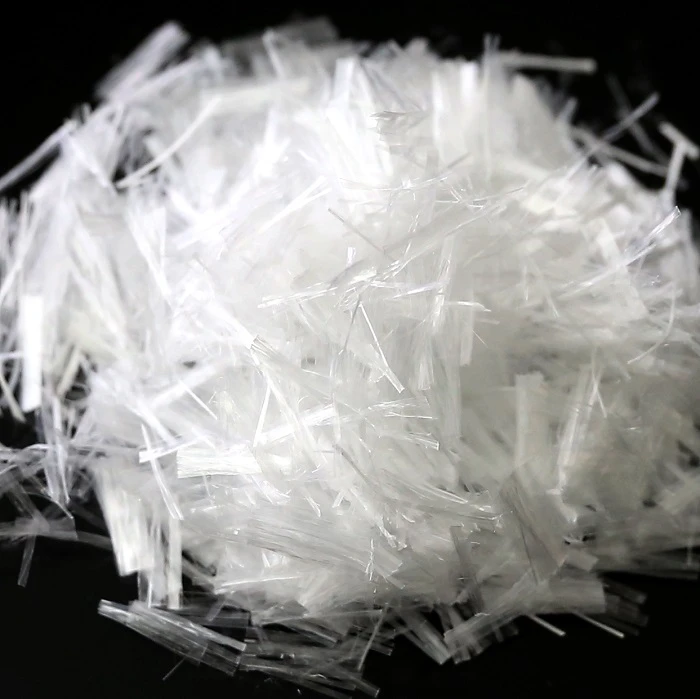
First off, let's talk about why PP fibers ball up in the first place. PP fibers are made of polypropylene, which is a synthetic polymer. These fibers are added to concrete to improve its strength, durability, and resistance to cracking. However, if not properly dispersed, they can clump together and form balls.
There are several reasons why this might happen. One of the main factors is the improper mixing of the fibers with the concrete. If the fibers are not evenly distributed throughout the concrete, they are more likely to ball up. Another reason could be the quality of the fibers themselves. Low - quality fibers may have a tendency to stick together more easily.
Choosing the Right Fibers
When it comes to preventing balling, choosing the right PP fibers is crucial. You want to look for high - quality fibers that are specifically designed for use in concrete. For example, Polypropylene Fibers for Concrete are a great option. These fibers are engineered to have good dispersion properties, which means they are less likely to ball up.
The length and diameter of the fibers also play a role. Generally, shorter and finer fibers are easier to disperse than longer and coarser ones. However, Polypropylene Coarse Fibre can also be used effectively if the mixing process is done correctly.
Proper Mixing Techniques
Now, let's get into the nitty - gritty of mixing. The key to preventing balling is to ensure that the fibers are evenly distributed throughout the concrete. Here are some steps you can follow:
- Pre - wet the fibers: Before adding the fibers to the concrete, it's a good idea to pre - wet them. This helps to separate the fibers and makes them easier to mix. You can do this by soaking the fibers in water for a few minutes.
- Add the fibers gradually: Don't dump all the fibers into the concrete at once. Instead, add them gradually while the mixer is running. This allows the fibers to be evenly distributed throughout the concrete.
- Mix for the right amount of time: The mixing time is also important. You need to mix the concrete long enough to ensure that the fibers are fully dispersed, but not too long that the fibers start to break down. Usually, 3 - 5 minutes of mixing is sufficient.
Using Admixtures
Another way to prevent balling is to use admixtures. Admixtures are substances that are added to the concrete to improve its properties. There are several types of admixtures that can help with fiber dispersion.
For example, some admixtures can reduce the surface tension of the concrete, making it easier for the fibers to disperse. Others can act as a lubricant, preventing the fibers from sticking together. When choosing an admixture, make sure to follow the manufacturer's instructions.

Quality Control
Quality control is essential in preventing the balling of PP fibers. You need to regularly check the quality of the fibers and the concrete. Here are some things you can do:
- Inspect the fibers: Before using the fibers, inspect them for any signs of clumping or damage. If you notice any issues, don't use the fibers.
- Test the concrete: You can also test the concrete to ensure that the fibers are evenly distributed. One way to do this is to take a sample of the concrete and examine it under a microscope.
Storage and Handling
Proper storage and handling of the fibers are also important. If the fibers are stored in a humid environment, they are more likely to clump together. Make sure to store the fibers in a dry place and keep them in their original packaging until you're ready to use them.
When handling the fibers, be careful not to damage them. Avoid excessive bending or twisting of the fibers, as this can cause them to break and ball up.
Conclusion
Preventing the balling of PP fibers in Pp Fiber Concrete is not an easy task, but it's definitely doable. By choosing the right fibers, using proper mixing techniques, adding admixtures, and maintaining quality control, you can ensure that your Pp Fiber Concrete is of the highest quality.
If you're interested in purchasing Pp Fiber Concrete or have any questions about preventing fiber balling, feel free to reach out. We're here to help you get the best results for your projects. Check out our Pp Fiber Concrete page for more information.
References
- Neville, A. M. (1995). Properties of Concrete. Pearson Education.
- ACI Committee 544. (1982). State - of - the - Art Report on Fiber - Reinforced Concrete. American Concrete Institute.