



Is it difficult to install steel fiber in dyke?
Hey there! I'm a supplier of steel fiber for dyke, and I often get asked this question: Is it difficult to install steel fiber in dyke? Well, let's dive right in and break it down.
First off, let's talk about what steel fiber actually is. Steel fiber comes in various types, each with its own unique properties and applications. You can check out different Steel Fibre Types on our website to get a better understanding. Generally speaking, steel fiber is used in dyke construction to enhance the strength and durability of the concrete. It helps to control cracking, improve impact resistance, and increase the overall toughness of the structure.
Now, onto the installation part. The difficulty of installing steel fiber in a dyke can vary depending on several factors.
1. Type of Steel Fiber
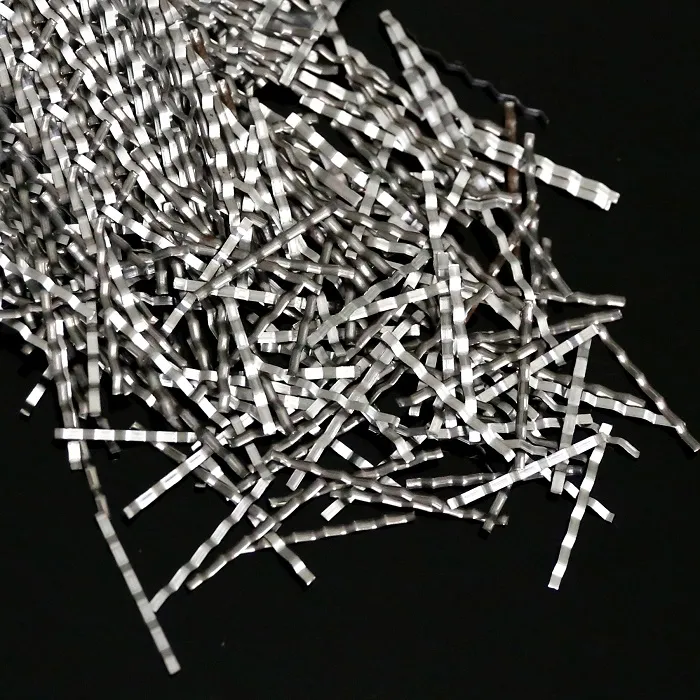
There are different types of steel fibers available in the market, such as Wavy Steel Fiber and End Hooked Steel Fiber. Wavy steel fiber has a wavy shape, which provides better bonding with the concrete. End - hooked steel fiber, on the other hand, has hooks at the ends that anchor it firmly in the concrete matrix.
The installation of these fibers is not overly complicated. For most cases, the steel fibers can be added directly to the concrete mixer during the batching process. However, if you're using a large amount of steel fiber, it might require a bit more attention to ensure even distribution. You don't want clumps of fibers in the concrete, as this can lead to weak spots and uneven performance.
2. Concrete Mix Design
The design of the concrete mix plays a crucial role in the installation of steel fiber. You need to make sure that the mix has the right consistency and workability. If the concrete is too dry, it might be difficult to disperse the steel fibers evenly. On the other hand, if it's too wet, the fibers might float to the surface during pouring.
It's important to work with a professional concrete engineer to design a mix that is suitable for steel fiber reinforcement. They can help determine the right proportion of cement, aggregates, water, and other additives to ensure a smooth installation process.
3. Project Scale
The scale of the dyke project also affects the installation difficulty. For small - scale dyke repairs or minor construction projects, installing steel fiber is relatively straightforward. You can use a small concrete mixer and add the fibers manually.
However, for large - scale dyke construction projects, things can get a bit more complex. You'll need heavy - duty concrete mixing equipment and a well - organized installation team. The logistics of transporting and handling the steel fibers also become more challenging. But with proper planning and management, it can still be done efficiently.
4. Installation Techniques
There are a few key installation techniques that you need to follow to ensure a successful steel fiber installation in a dyke.
- Mixing: As I mentioned earlier, the steel fibers should be added to the concrete mixer at the right time. It's best to add them gradually while the mixer is running to ensure even distribution. You might need to adjust the mixing time depending on the type and amount of steel fiber used.
- Pouring: When pouring the concrete with steel fiber, you need to be careful not to create any segregation. Use a proper pouring method, such as using a chute or a pump, to ensure that the concrete is placed evenly in the dyke formwork.
- Compaction: After pouring, the concrete needs to be compacted properly to remove any air bubbles and ensure good bonding between the steel fibers and the concrete. You can use a vibrator to achieve this.
Tips for Easy Installation
- Pre - testing: Before starting the actual installation, it's a good idea to conduct some pre - tests. Make small batches of concrete with different amounts of steel fiber and test their properties. This will help you determine the optimal mix design for your project.
- Training: If you're working with a team, make sure they are properly trained in steel fiber installation techniques. Provide them with clear instructions and guidelines to ensure a consistent and high - quality installation.
- Quality Control: Regularly check the quality of the installed steel fiber concrete. Look for signs of fiber clumping, segregation, or other defects. If you notice any issues, take immediate corrective action.
Conclusion
So, is it difficult to install steel fiber in a dyke? Well, it's not rocket science, but it does require some knowledge, planning, and attention to detail. With the right type of steel fiber, a well - designed concrete mix, and proper installation techniques, you can achieve a successful installation.
If you're planning a dyke project and need steel fiber for reinforcement, I'd be more than happy to help. We offer high - quality steel fiber products that are suitable for various dyke construction needs. Whether you're working on a small - scale repair or a large - scale new construction, we've got you covered. Contact us to start a conversation about your project requirements and let's work together to make your dyke stronger and more durable.

References
- Concrete Construction Handbook, various editions
- Steel Fiber Reinforcement in Civil Engineering, industry research papers