



Hey there! As a supplier of cement steel fibre, I've seen firsthand how important it is to transport this stuff safely. Cement steel fibre is a crucial component in many construction projects, providing added strength and durability to concrete. But if it's not transported properly, it can lead to all sorts of problems, from damage to the product itself to safety hazards for the people handling it. So, let's dive into some tips on how to transport cement steel fibre safely.
Understand the Product
Before you start transporting cement steel fibre, it's essential to understand what it is and its properties. Cement steel fibre comes in various types, each with its own characteristics. You can check out Steel Fibre Types to learn more about them. Some common types include Loose Steel Fiber, 4D Steel Fiber, and Glued Steel Fiber.
These fibres are typically made of high - strength steel and are designed to be mixed with concrete. They're used in a wide range of applications, like Fibre Steel Reinforced Concrete. Knowing the type of fibre you're transporting will help you determine the best way to handle it.
Packaging Matters
The right packaging can go a long way in ensuring the safe transport of cement steel fibre. Fibres should be packed in sturdy containers that can protect them from damage during transit. For loose steel fibres, strong plastic bags or drums are often a good choice. These containers should be sealed properly to prevent the fibres from spilling out.
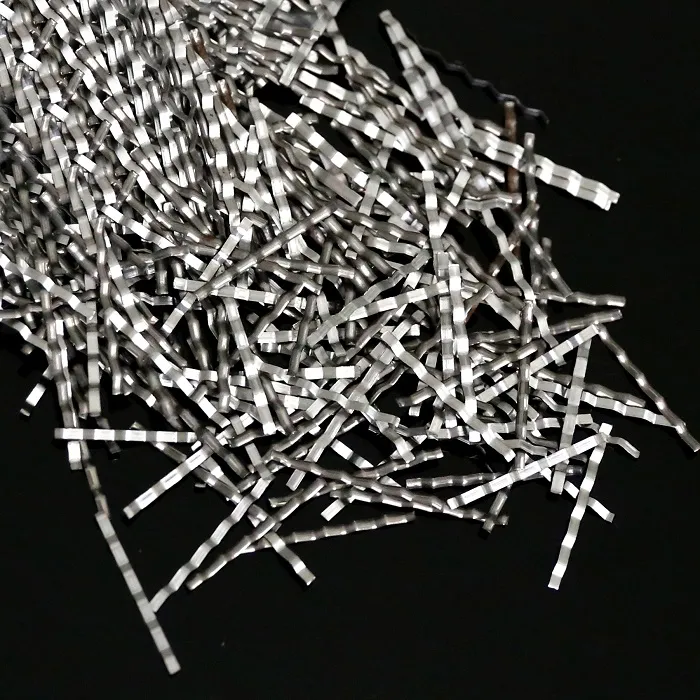

Glued steel fibres, on the other hand, might come in pre - packaged bundles. Make sure these bundles are well - secured and protected from moisture. Moisture can cause the glue to break down, which could lead to the fibres clumping together and becoming unusable.
When loading the packages onto the transport vehicle, stack them carefully. Avoid over - stacking, as this can cause the bottom packages to get crushed, which might damage the fibres inside.
Choose the Right Transport Vehicle
The choice of transport vehicle is crucial. For smaller quantities of cement steel fibre, a van or a pickup truck might do the trick. But for larger shipments, a truck or a trailer is usually required.
Make sure the vehicle you choose is in good condition. Check the tires, brakes, and suspension to ensure a smooth ride. A rough ride can cause the packages to shift and potentially get damaged.
The interior of the vehicle should also be clean and dry. Any dirt, debris, or moisture can contaminate the cement steel fibre. If possible, line the vehicle with a protective sheet to add an extra layer of protection.
Secure the Load
Once the cement steel fibre is loaded onto the transport vehicle, it's important to secure the load properly. Use straps, ropes, or nets to hold the packages in place. This prevents them from moving around during transit, which could cause damage to the product or even pose a safety risk to other drivers on the road.
When securing the load, make sure the straps or ropes are tight but not too tight that they damage the packages. Check the load periodically during the journey to make sure everything is still secure.
Handle with Care
During the loading and unloading process, it's important to handle the cement steel fibre with care. Use appropriate equipment, such as forklifts or pallet jacks, to move the heavy packages. If you're using a forklift, make sure the operator is trained and experienced.
Avoid dropping or throwing the packages. Even a small impact can cause the fibres to break or become damaged. When unloading, place the packages in a safe and stable location.
Safety Precautions
Safety should always be a top priority when transporting cement steel fibre. The sharp edges of the steel fibres can cause cuts and injuries. Make sure all the workers handling the product are wearing appropriate personal protective equipment (PPE), such as gloves and safety glasses.
If there's a spill during transport, clean it up immediately. Steel fibres can be a tripping hazard, and they can also get into machinery and cause damage. Have a spill - clean - up kit on hand, which should include a broom, dustpan, and a magnet to pick up any loose fibres.
Environmental Considerations
When transporting cement steel fibre, it's also important to consider the environmental impact. Try to choose a transport method that is fuel - efficient. This not only helps reduce your carbon footprint but also saves on costs.
If you're transporting large quantities, consider consolidating shipments to reduce the number of trips. This can also help minimize the risk of damage to the product.
Documentation
Keep proper documentation during the transport process. This includes details about the type and quantity of cement steel fibre being transported, the origin and destination of the shipment, and any special handling instructions.
Having accurate documentation can help in case of any issues during transit, such as damage claims or customs clearance.
Communication
Good communication is essential when transporting cement steel fibre. Make sure the driver and all the workers involved in the process are aware of the product's characteristics and the safety precautions that need to be taken.
If there are any special requirements for the transport, such as temperature control or specific delivery times, make sure everyone is on the same page.
Final Thoughts and Contact
Transporting cement steel fibre safely is a multi - step process that involves understanding the product, proper packaging, choosing the right transport vehicle, securing the load, handling with care, taking safety precautions, considering the environment, keeping documentation, and maintaining good communication.
If you're in the market for high - quality cement steel fibre and want to learn more about our products, don't hesitate to reach out. We're always here to answer your questions and discuss your procurement needs. Whether you're working on a small DIY project or a large - scale construction job, we've got the right cement steel fibre for you.
References
- Construction Materials Handbook: A Guide to Selection and Use
- Safety Guidelines for Transporting Industrial Materials